Dutch Postcard: Day Trip (Zaanse Schans + Amsterdam)
Zaanse Schans & Amsterdam: Day Escape
A quiet morning and noon beside the windmills, then a whole afternoon and evening to discover Amsterdam with the Study & Chill Lounge.
We’re going back to the Netherlands
Last year, we headed to Zaandam and Amsterdam. This October, we’re coming back for another day.
There is something nice about leaving campus early, watching the scenery change, and realising that your Sunday is going to look a lot different.
Zaanse Schans: the windmills, properly
Where are we? Zaanse Schans is beside the River Zaan, north of Amsterdam in the province of North Holland. It is a living heritage neighbourhood in the wider Zaan region , once a centre of Dutch manufacturing, powered by wind.
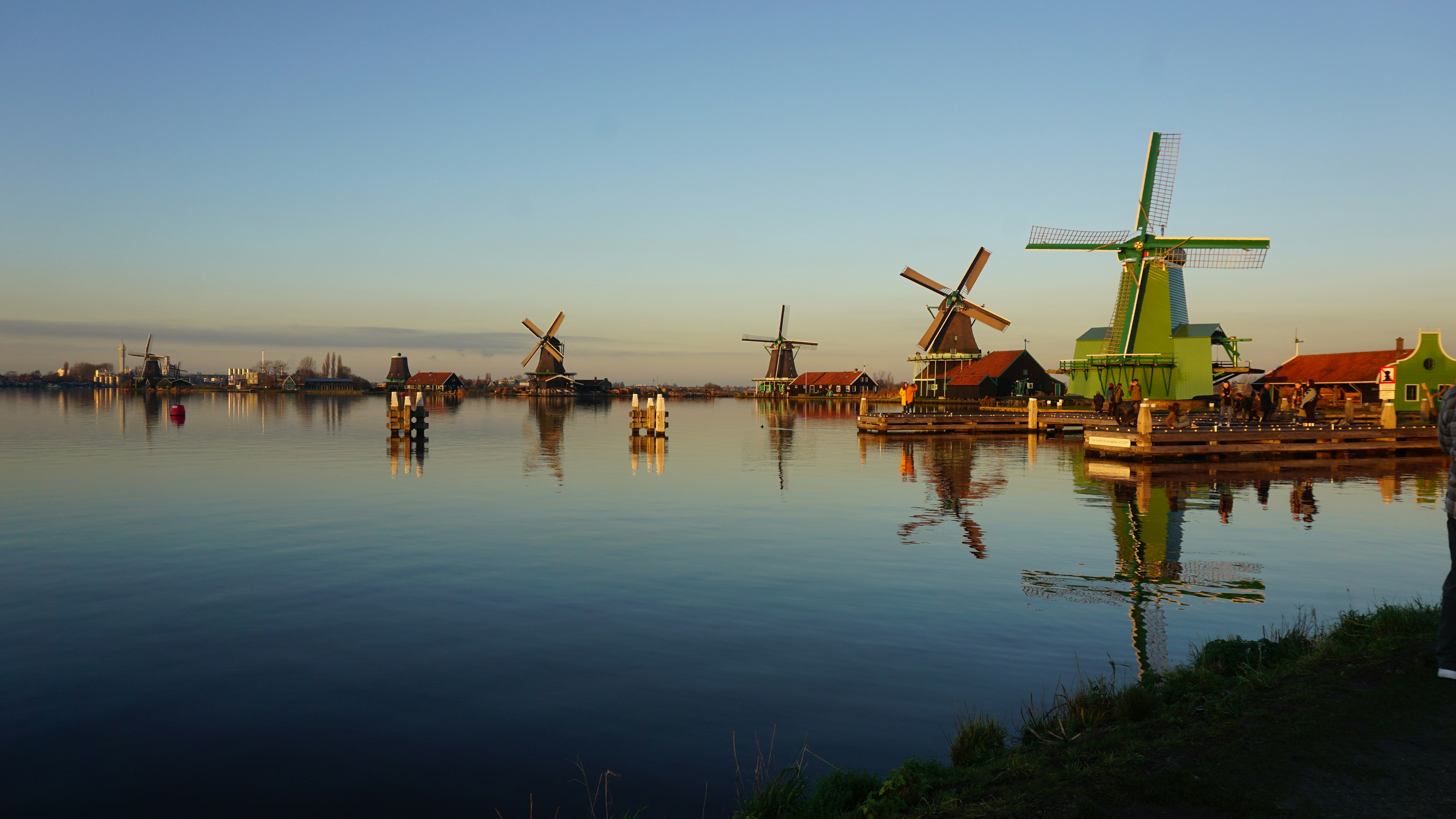
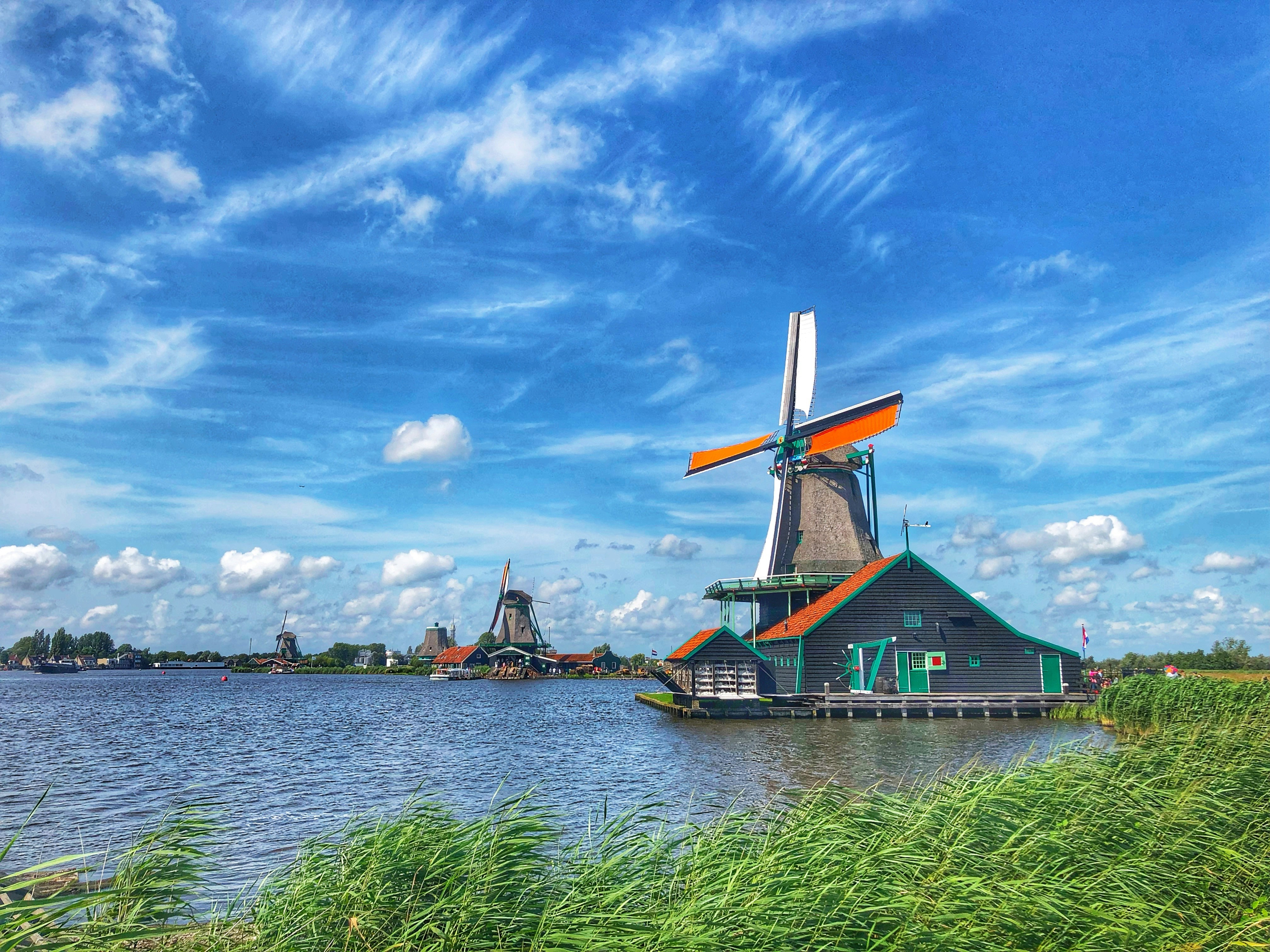
A postcard from the Netherlands ... Green wooden houses, mills beside the river, small workshops, and the kind of view that looks familiar even if you have never been to the Netherlands before.
We’ll have the morning and noon here. Take your pictures, wander along the paths, look inside a windmill if you feel like it (some charge admission), or find somewhere to sit with a coffee or cheese 🤭
The windmills: the machinery before the factory
The windmills here were not built just to look pretty. Around 1700, roughly 600 mills were working at once in the wider Zaan region. The wind powered saws that cut timber, presses that extracted oil, stones that ground pigments, and mills that processed spices and grain. Before industrial machinery ran on steam or electricity, this landscape was already doing industrial-scale work.
Look along the river and imagine timber arriving by boat, a mill sawing it into planks, and those planks becoming houses or ships. The same wind that makes the photographs look so Dutch was also a source of economic power.
De Kat, Het Jonge Schaap & the mills that still work
The mills have names and different jobs. De Kat grinds materials into pigments for traditional paint — a direct connection to the techniques behind Dutch painting. Het Jonge Schaap demonstrates wind-powered wood sawing; the present mill was reconstructed from historical plans. De Zoeker has a long history as a water-draining and industrial mill and is known for pressing oil.
You do not need to visit every mill to appreciate the place. Seeing the blades move and finding out what each building was actually made to produce changes the view completely. Visits inside particular mills are optional, may require a separate ticket and depend on opening hours.
A village saved from disappearing
There is a reason the old wooden houses are gathered here. As the Zaan region modernised in the 20th century, traditional timber buildings were disappearing. Local preservationists began bringing historic houses and mills together at Zaanse Schans; the project developed from the 1950s and officially opened in 1972.
So this is not a perfectly untouched village that has stood in exactly the same arrangement for 400 years. It is a living, working collection of regional heritage, where people still live and craftspeople still work. The green façades, timber cladding and small workshops are part of that story.
Clogs, cheese and life along the Zaan
Look beyond the windmills and you will find demonstrations and small shops connected with traditional Dutch crafts, including clog-making and cheese-making. The river, the paths and the houses are worth slowing down for too , this is where you get the countryside-and-industry half of the day before the busy capital.
The outdoor neighbourhood is free to walk through; individual museums, mills or special activities may charge admission. We have the morning and noon here, so you can follow your curiosity rather than trying to do everything.
The heart of Dutch life
Then comes Amsterdam.
Amsterdam is the capital of the Netherlands, in the western part of the country. It grew around the River Amstel and the waterways connecting it with international trade , which helps explain why water is part of the city’s everyday geography, not just its scenery.
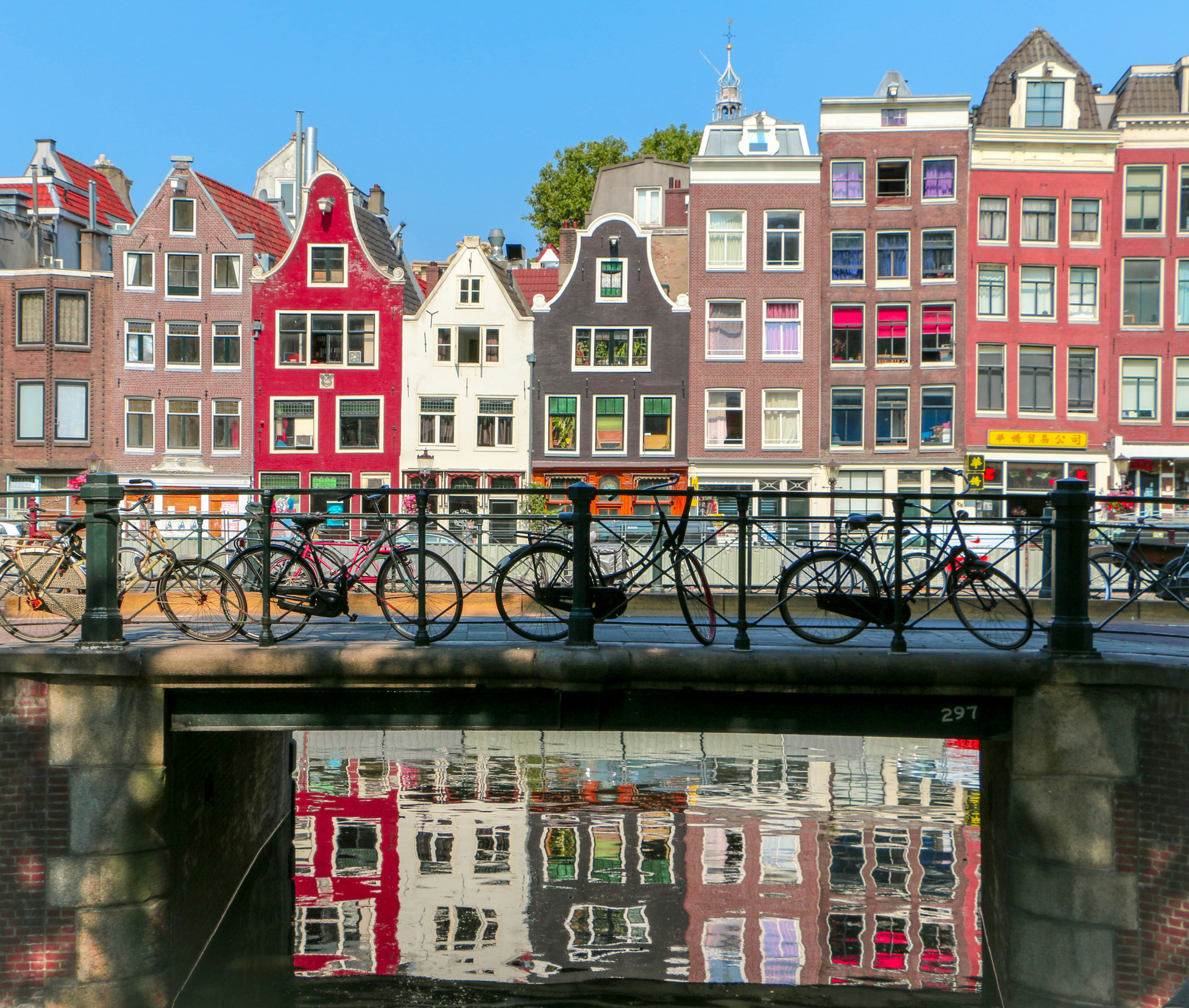
The narrow canal houses, little bridges, bicycles coming from every direction, second-hand shops, museums, patat, café tables, and someone inevitably stopping for a stroopwafel.
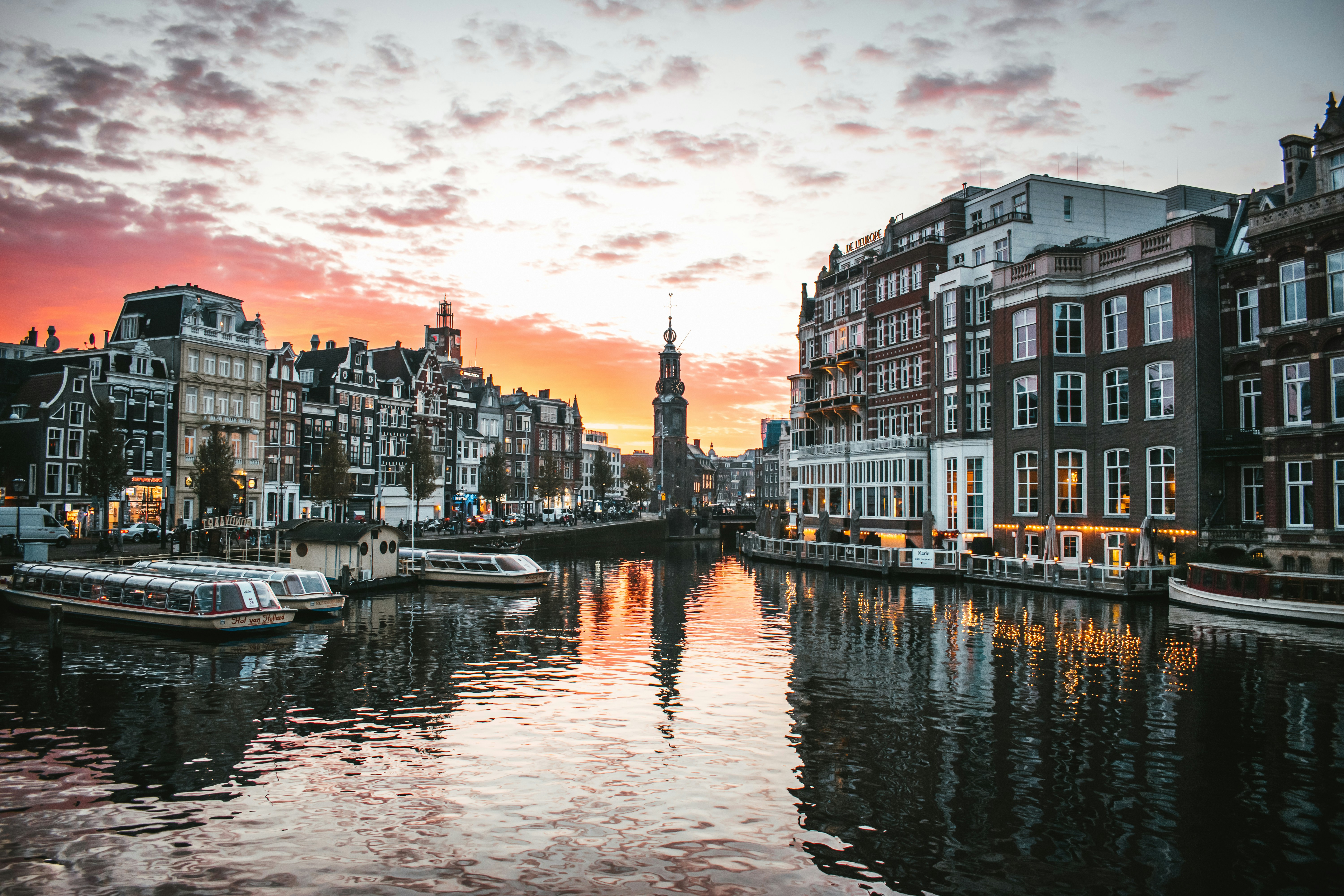
We’ll explore together with a short orientation walk so you feel at home in the city.
After that, you’ll have generous time to enjoy Amsterdam your way:
- Discover museums like the Van Gogh Museum or Anne Frank House
- Stroll along the canals and grab a stroopwafel
- Rent a bike or join a canal boat tour
- Or wander with your new travel buddies and let the city surprise you
The canal ring: a city planned around water
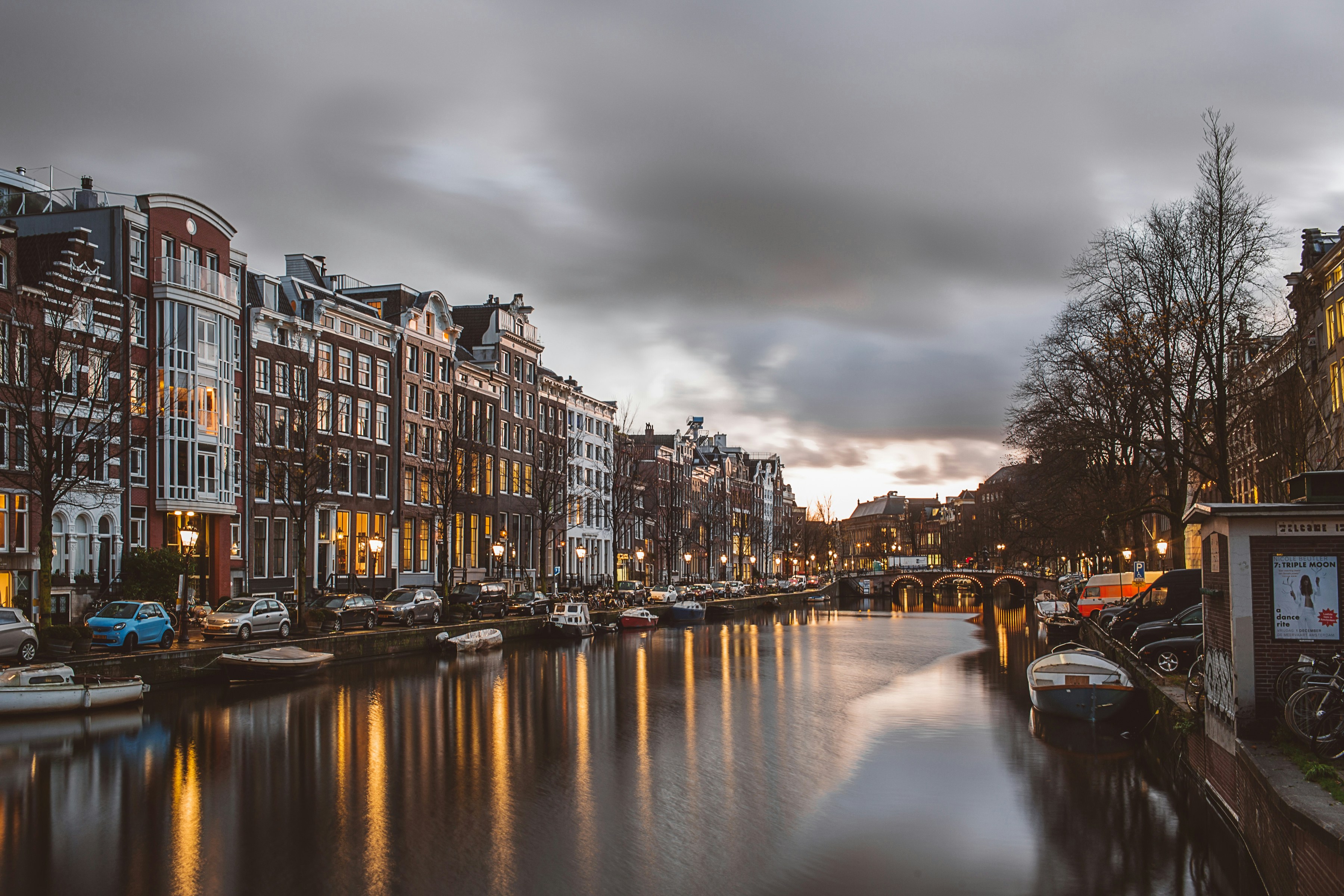
The Herengracht, Keizersgracht and Prinsengracht are part of the historic canal ring developed mainly during Amsterdam’s great 17th-century expansion. As maritime trade grew, the city made space for new streets, warehouses and homes. The canals helped move goods and organise the growing city, while the grander waterside houses made wealth and status visible.
The 17th-century canal ring is now a UNESCO World Heritage Site. Once you know why it was built, those rows of gables and bridges become a kind of map of Amsterdam’s history. A canal boat is one optional way to see how the whole plan fits together.
The dancing houses: why Amsterdam doesn’t always stand straight
Look carefully along a row of canal houses and you may notice that the roofs and windows do not quite line up. Some façades lean forward; others tip sideways, almost as though the houses are leaning on one another. One famous row by the Amstel is even nicknamed the “dancing houses.”
Part of the explanation is beneath your feet. Amsterdam was built on wet, soft peat and clay, so builders drove wooden foundation piles down towards more solid ground. Over centuries, uneven settlement and deteriorating foundations could make neighbouring houses sink by different amounts. Separately, some historic façades were constructed with a slight forward lean; look up and you may also see the projecting hoist beam used to lift furniture and goods to upper floors past very narrow stairs.
A crooked-looking façade does not automatically mean that a building is about to fall, but it would also be wrong to promise that every tilted house is structurally sound. Amsterdam’s historic buildings need continuing foundation checks and, where necessary, repairs. For us walking by, the unusual rooflines tell a story about living with the city’s soil and water.
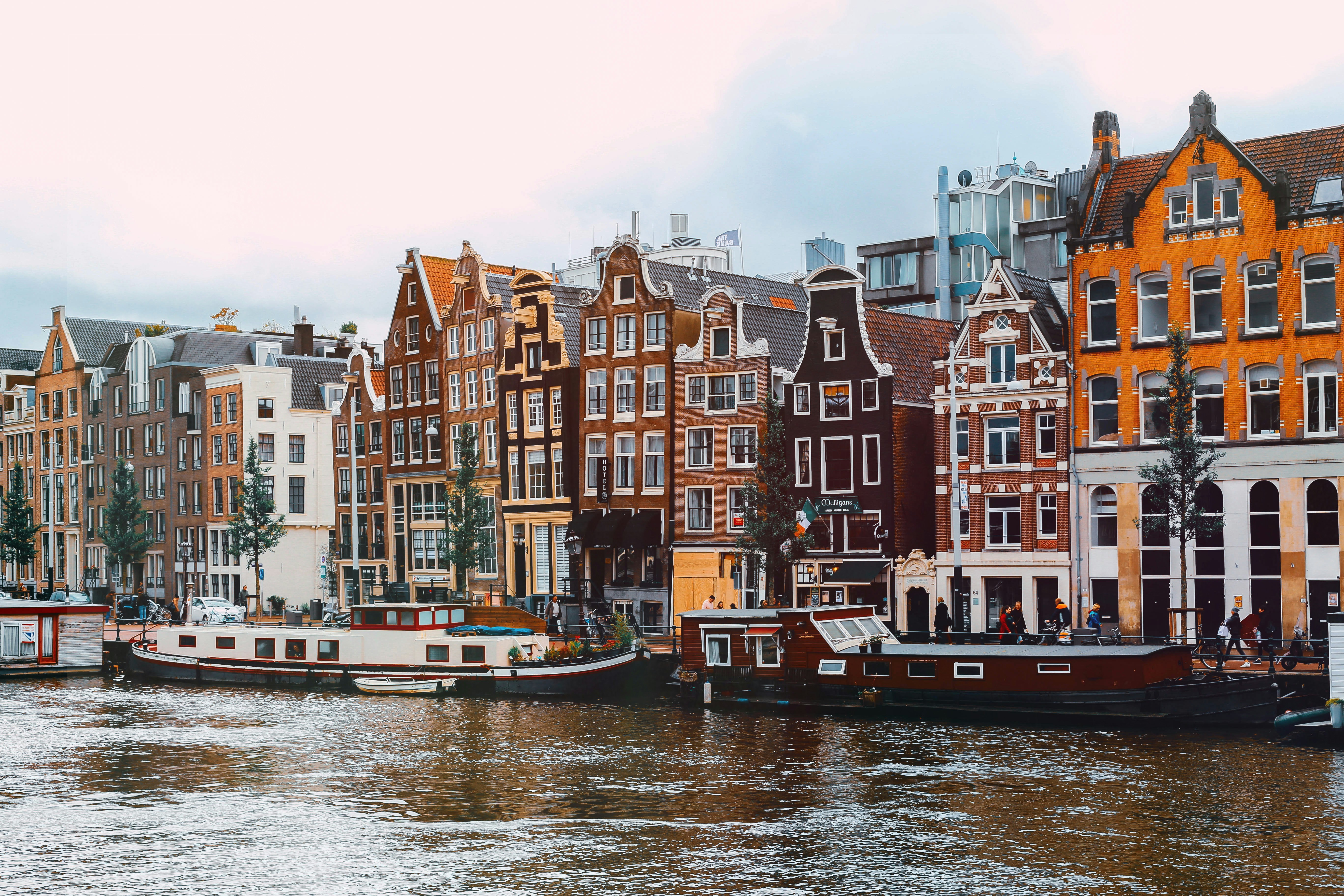
The narrow houses and those hooks above the windows
Another detail to spot: Amsterdam’s canal houses are often remarkably narrow at the street but extend much farther back. Historic plots, trading needs and limited space shaped the way they were built. Their steep internal stairs help explain the hoisting beams and hooks near the gables: goods and furniture could be raised from the street and brought through an upper window.
The façades themselves tell different stories. Some are stepped like staircases, others have curved or bell-shaped tops. Next time you stop for a canal photo, look above the shopfronts , some of the most interesting details are at roof level.
Dam Square: where the city’s name comes from
At the historic centre is Dam Square, whose name recalls the dam across the River Amstel that helped the settlement develop. The huge building on the square is the Royal Palace, but it was originally Amsterdam’s 17th-century town hall , a civic statement from a wealthy trading city, rather than a palace built for a king.
Nearby streets are busy today, but this is a useful place to understand how a settlement on a river grew into the capital you are visiting. If you prefer architecture to shopping, give the buildings around the square a proper look.
De Negen Straatjes: nine streets between the canals
In the western canal belt, De Negen Straatjes , the Nine Streets , links the grand canals with a smaller network of streets. Instead of one enormous shopping avenue, you get independent boutiques, second-hand and vintage shops, cafés, little galleries and canal bridges every few minutes.
This is a good part of Amsterdam to explore without a checklist: turn into a side street, find a bakery, cross another bridge, repeat. It is also a reminder that the canal district is a neighbourhood where people work and live, not just a collection of historic façades.
The Jordaan and the Anne Frank House
Beside the canals is the Jordaan, once a working-class district and now known for its small streets, cafés, galleries and neighbourhood character. The Anne Frank House stands on the nearby Prinsengracht and preserves the hiding place where Anne Frank and others lived in secret during the Nazi occupation of the Netherlands.
It is a place of remembrance, rather than a casual sightseeing stop. If visiting the museum matters to you, check its official booking arrangements well ahead of the trip; we cannot assume entry will be available on the day. You can also enjoy the surrounding canals without booking a museum.
Museumplein: the Dutch masters and Van Gogh
For art, head towards Museumplein. The Rijksmuseum brings together centuries of Dutch art and history, including Rembrandt’s The Night Watch. Nearby, the Van Gogh Museum follows the artist’s life and work through the world’s largest collection of his paintings, drawings and letters. The Stedelijk is an option for modern and contemporary art and design.
With one afternoon and evening in Amsterdam, you would usually pick one major museum rather than try to squeeze in all of them. Museum entry is optional, separate from the trip ticket, and worth arranging in advance if it is your priority.
Meeting Points
Main meeting point at HSRW. A second pick-up is in Kleve (departure & return). Exact pins shared by WhatsApp after registration.
- Departure: 22.11.2026 06:30
- Departure (Kleve): 22.11.2026 07:30
- Return: 22.11.2026 late evening / night (traffic-dependent)
Please be 15 minutes early. We leave on time.
Kleve pick-up point
Open the exact Kleve location in Google Maps
The return time may vary depending on traffic, boarding, and other external factors.
The plan
- Morning departure from Kamp-Lintfort (HSRW)
- Second pick-up in Kleve
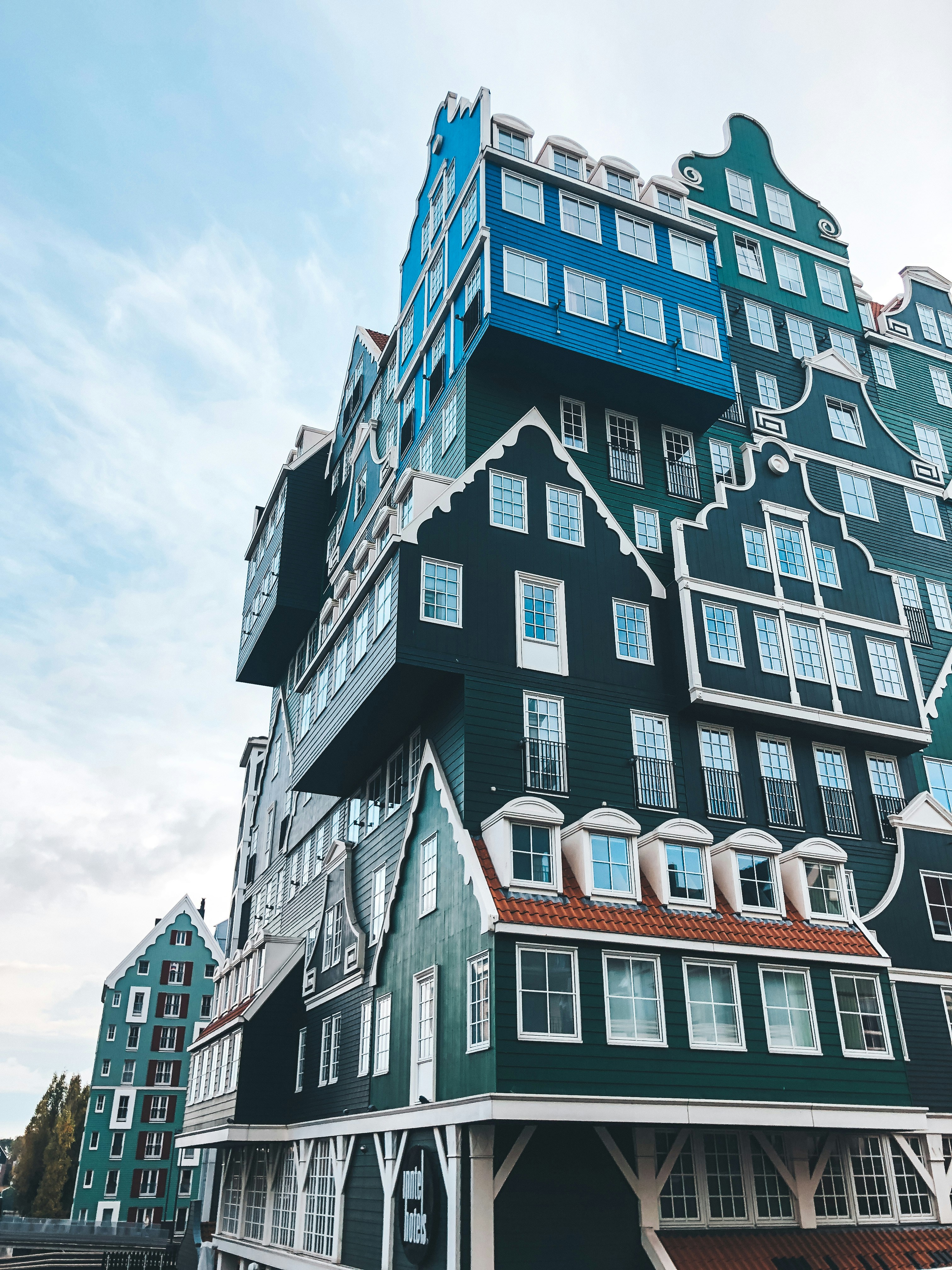
- Zaanse Schans: morning with the windmills, houses and riverside paths
- Amsterdam: afternoon and evening, with an orientation and free time
- Return from Amsterdam, via Kleve to Kamp-Lintfort
(Exact meeting locations and final times will be shared in our WhatsApp group for registered students.)
What’s included
Included
- Transport by private bus to Zaandam and Amsterdam
- Guided tour
- Free time in Zaandam and Amsterdam
- Study & Chill Staff
Not included
- Meals & drinks
- Optional tickets (museums, canal boat, etc.)
Important notes
- Wear comfortable shoes.
- Take food or snacks and water.
- In case we have bad weather, bring umbrella and rain jacket.
- It is mandatory to carry a European ID Card or Passport
What not to miss out on
- Zaanse Schans windmills by the water
- Amsterdam canals, cafés and little streets
- Time in Amsterdam until the evening
- The shared trip from campus and back
FAQ
Refunds?
Tickets are non-refundable once the trip is confirmed.
You can transfer your ticket to another student up to 24h before departure.
If the trip is cancelled by us, 100% of your payment is refunded.
Can I bring my own food?
Yes bring snacks and food in your backpack if you prefer. There are plenty of food options in the cities, too.
Miss the bus?
We leave on time and can’t wait , please be 15 minutes early at your pick-up.
Email deliverability?
Please use an email you check often , your ticket and updates will be sent there. Some university addresses filter Pretix emails, so a personal email works best for now.
Who can join?
- Student, staff member or alumni of Hochschule Rhein-Waal
- Student of any German university
Can I bring someone with me?
Yes
Each HSRW student is allowed to register a Plus One (you’re responsible for your guest 🙂).
You can select that option when buying their tickets at the Status question.
Are museum or windmill tickets included?
No. The day trip covers the coach and our shared stops. Any paid attractions you choose are optional.
Price
€39 – student price
Covers private transport to both destinations and trip coordination. This is a non-profit student trip , organised by students, for students.
Contact us:
Instagram
WhatsApp group
studyandchilllounge@gmail.com
Ready for the Netherlands day?
Trips only go ahead if enough students book in time. The earlier you register, the safer the trip is confirmed
— and the less chance you miss out on seats.
Book nowPhoto Credits
- Photo by Gaurav Jain on Unsplash
- Photo by Azhar J on Unsplash
- Photo by Max van den Oetelaar on Unsplash
- Photo by Nastya Dulhiier on Unsplash
- Photo by Elisa Amadori on Unsplash
- Photo by Mankin on Unsplash
- Photo by Darren De Brincat on Unsplash
- Photo by Nathalia Morales on Unsplash
Go show some LOVE and appreciate the Artists💟.