Orionid Meteor Shower 2026 – A Night Under the Stars

Orionids: Worth Staying Up Late For
October gives us two meteor showers, but this is the night we're heading outside: the Orionids peak from Wednesday into Thursday, when Earth crosses the trail of Halley's Comet.
October has two meteor showers
First came the Draconids, which reached their peak around 8–9 October. They are usually a quieter shower, best watched in the evening, and their meteors seem to emerge from the direction of Draco, the Dragon.
Now it is the Orionids that take the stage. They peak overnight from 21 to 22 October 2026, making our Wednesday gathering an opportunity to watch the sky as the shower reaches its most active period.
We cannot promise a sky full of shooting stars. But we can spend a night somewhere open, away from the brightest town lights, and see what October has waiting for us.
A little piece of Halley's Comet
Every year, Earth passes through a trail of dust left by Comet 1P/Halley. Those tiny particles strike the atmosphere at roughly 66 km/s, heating the air around them and creating the bright streaks we call meteors.
The Orionids are named for Orion, the constellation from which the meteors appear to radiate. You do not have to stare directly at Orion, though: the streaks can appear across much of the sky.
Halley's Comet itself is not passing us this October. We are watching material it left behind on previous journeys around the Sun.
Why stay up late?
The Orionids generally become easier to watch after midnight and towards dawn, as Orion climbs higher in the sky.
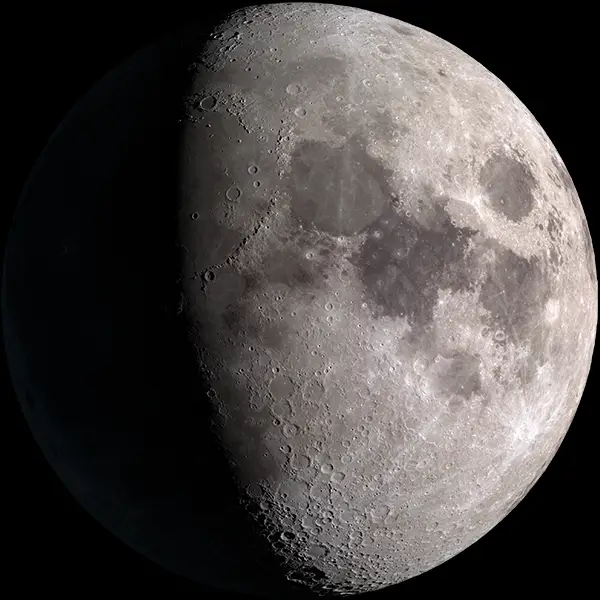
This year, the Moon will be in a Waxing Gibbous phase at about 76.8% illumination. That means it’ll be bright, but we’ll still have plenty of chances to catch meteors shooting by if we position ourselves well.
We’ll start with moon viewing through the telescope right after it rises. Then, as the night gets darker, we’ll relax and enjoy the meteor shower at its peak.
How to watch the Orionids
You do not need a telescope or binoculars. Meteors move quickly and may appear anywhere in a wide part of the sky, so your eyes are the best equipment.
- Find a comfortable place to sit or lie back and look at a broad area of sky.
- Give your eyes about 20–30 minutes to adapt to darkness.
- Avoid bright phone screens; a dim red light is useful if you need one.
- Expect quiet intervals between meteors. That is normal.
- Stay away from steep edges and unlit paths when moving around the Halde.
What to bring
- Warm layers, a winter jacket, hat and gloves: October nights can feel cold when sitting still.
- A blanket, camping mat or folding chair.
- A thermos with a warm drink, water and snacks.
- A charged phone and a small flashlight for the walk back.
- Sturdy shoes suitable for uneven ground.
We will check the weather closer to the date. Clouds can block the shower entirely, so please watch the community updates before travelling.
What to expect
- A relaxed stargazing evening with other Study & Chill students.
- The Orionids near their annual peak, with the possibility of bright, fast meteors.
- A brief introduction to the Draconids, Orionids and Halley's Comet.
- Time to settle in, talk quietly and watch the sky together.
- An optional late stay for those hoping to catch the darker hours after moonset.
When & Where
Wednesday, 21 October → Thursday, 22 October 2026
Meeting time: To be announced in our WhatsApp group.
Proposed location: Halde Norddeutschland, near Kamp-Lintfort (same location as our Perseids gathering).
There is no fixed finishing time yet. Please plan a safe way home, especially if you choose to stay after midnight. Final meeting arrangements and weather updates will be shared in the WhatsApp group.
More information
Joining tonight?
We meet at around 23:00 at Halde Norddeutschland.
But again check the WhatsApp group for any last updates before heading out.
WhatsApp Group